Grandparents Play a Unique Role
in a Child's Life
Grandparents may be storytellers, teachers, cheerleaders, trusted listeners and a connection to people and experiences that came long before a grandchild was born.
But the benefits of the grandparent-grandchild relationship extend in both directions.
While grandparents may enjoy the energy, curiosity and companionship younger family members bring into their lives, children and teenagers can gain knowledge, confidence, perspective and a stronger understanding of their own identity through meaningful relationships with older generations.
During Celebration of Grandparents Month, it’s worth considering an important question:
What can grandchildren learn from their grandparents?
Quite a lot!
Why Are Grandparents Important
in a Child's Life?
Parents understandably spend much of their time dealing with the practical responsibilities of raising children. Grandparents can sometimes occupy a different space in a child’s world.
They may have more time for conversations, storytelling and simply listening. That can allow a relationship to develop that is different from – but complementary to – the parent-child relationship.
A grandparent can become another trusted adult to whom a child can turn with questions, worries or accomplishments. For teenagers and young adults, grandparents may also offer perspective gained from experiencing many of life’s milestones themselves.
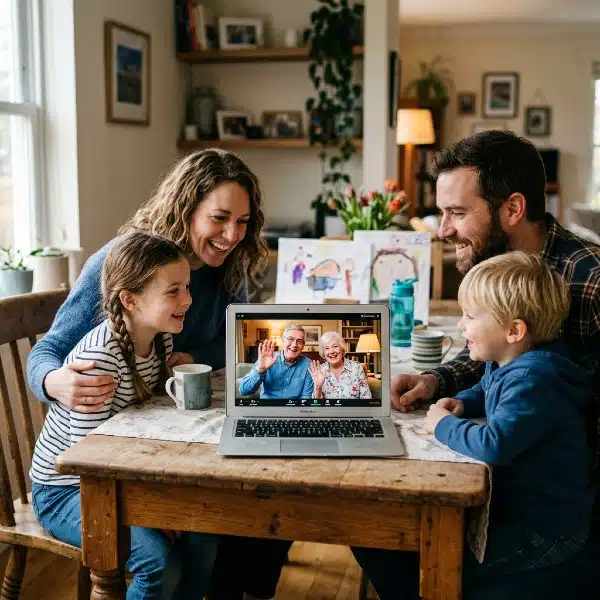
These relationships don’t have to depend on living nearby or seeing one another every day. Regular telephone calls, video chats, messages, photographs and occasional visits can all help create and maintain a meaningful bond.
What Can Grandparents Teach
Their Grandchildren?
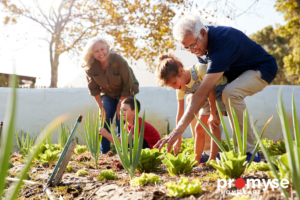
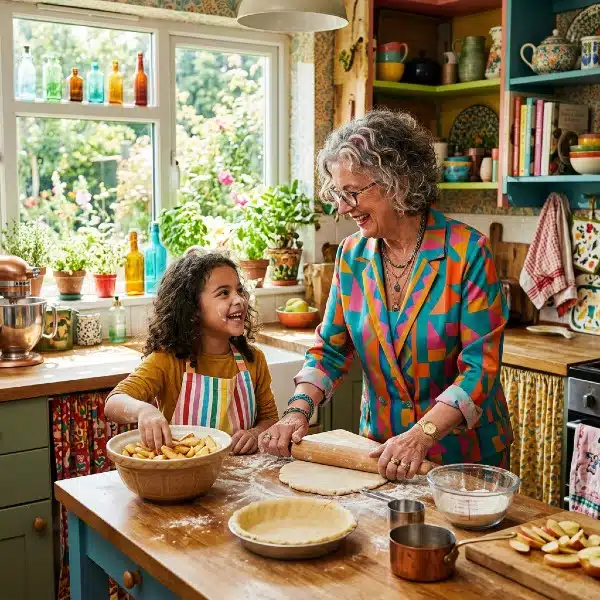
Some lessons are practical. Perhaps Grandma knows how to make the family’s favourite pie without looking at a recipe. Grandpa might know how to grow tomatoes, repair a bicycle, play chess or identify birds in the backyard.
Other lessons are less tangible. Grandparents can share what they have learned about friendships, relationships, work, disappointment, change, perseverance and enjoying life. There is also value in simply discovering that life hasn’t always looked the way it does today.
Ask a grandparent:
- What was school like when you were my age?
- What was your first job?
- What did you do for fun before the internet?
- What is something you wish you had known when you were younger?
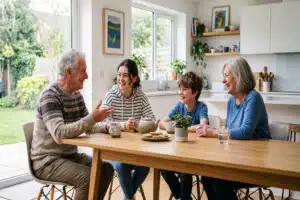
The answers can turn an ordinary conversation into a valuable exchange between generations.
How Can Grandparents Help Children
Understand Their Family History?
Family history becomes much more meaningful when it is attached to a person and a story. An old photograph may simply look like a group of strangers until a grandparent explains who everyone was, where the picture was taken and what happened that day.
Grandparents can help grandchildren understand where their family came from, how traditions developed and what previous generations experienced. Try looking through old photographs together and recording the stories associated with them.
Ask about favourite childhood memories, family celebrations, first homes, careers, courtship, weddings, travel and memorable family characters. Grandchildren can even record an informal video interview; with their grandparents permission, or create a family memory book together.
These stories may one day become an irreplaceable part of a family’s history.
Grandparents Can Teach Resilience
A long life usually includes periods of both happiness and difficulty.
Many older adults have experienced economic uncertainty, career changes, illnesses, loss, raising families, changing communities and dramatic technological and social change. That perspective can be valuable to a younger person facing a problem that currently seems overwhelming.
Grandparents don’t necessarily need to provide the solution. Sometimes being able to say, “Something similar happened to me,” and then listening is enough.
Sharing how they coped with change can help younger people understand that difficult periods can be navigated and that life continues to evolve.
The Government of Canada specifically identifies seniors mentoring others, sharing experiences and intergenerational engagement as ways to foster social inclusion.
Can Grandparents Help Children Develop
Social Skills and Confidence?
Relationships with grandparents give children an opportunity to communicate with someone from a different generation. That can encourage listening, patience, conversation and empathy. Children also learn that people don’t have to be the same age or have the same interests to enjoy one another’s company.
Perhaps most importantly, grandparents can offer encouragement.
Having another adult who is genuinely interested in a child’s ideas, achievements and concerns can reinforce a young person’s sense that what they say and do matters. The relationship is also a subtle way of challenging ageism. Instead of thinking about “old people” as an abstract group, children know an older person as Grandma, Grandpa, Nana, Papa—or simply as someone they love and enjoy being with.
Grandchildren Can Become
the Teachers Too
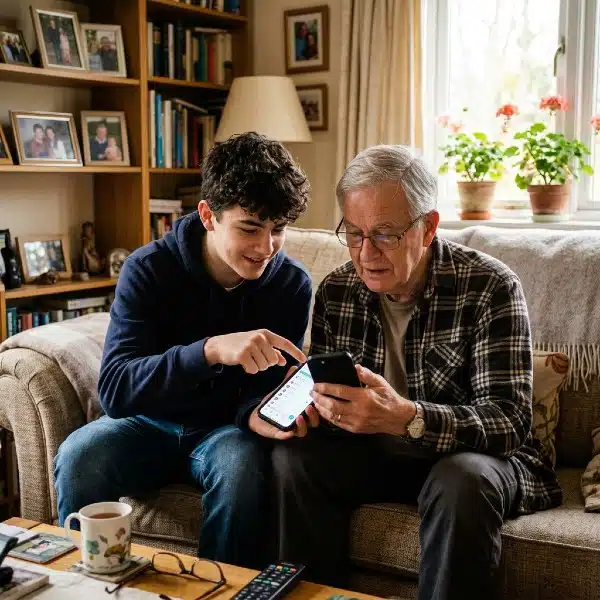
One of the healthiest aspects of an intergenerational relationship is that the roles can change. Grandma may teach her grandson how to make bread on Saturday, and on Sunday he may teach her how to make a video call.
A teenager might introduce a grandparent to a favourite musician, explain a new expression or help organize photographs on a tablet.
The Government of Canada’s New Horizons for Seniors Program specifically recognizes intergenerational mentoring and engagement as ways to promote inclusion and healthy aging. This reminds us that successful intergenerational relationships aren’t one-sided.
Everyone has something to teach, and everyone has something to learn.
What Can Grandchildren
Learn About Aging?
Children who spend meaningful time with older adults also have an opportunity to develop a healthier understanding of aging. They discover that getting older doesn’t erase personality, humour, curiosity, opinions or the desire to participate in life. At the same time, they may gradually encounter some of the realities that can accompany aging.
Grandpa may walk more slowly than he once did. Grandma might need someone to repeat a question. A grandparent may eventually need help with activities that were previously easy.
Children can learn that providing a little assistance doesn’t change who that person is. This can encourage empathy while reinforcing an important lesson:
A person’s value isn’t determined by age or physical ability.
How Can Grandchildren Stay Connected
With Grandparents Who Live Far Away?
Distance doesn’t have to prevent a close relationship. Try creating regular traditions rather than relying only on occasional contact.
A Sunday video call, sharing photographs during the week, reading the same book, watching the same hockey game, playing an online game together or exchanging handwritten letters can give grandparents and grandchildren shared experiences even when they live hundreds of kilometres apart.
Technology can help, but it doesn’t need to dominate the relationship. Sometimes the simplest question – “Grandma, tell me about when you were my age” – can lead to the most memorable conversation.
Helping Grandparents Continue
Being Part of Family Life
As grandparents grow older, health or mobility changes can sometimes make family participation more difficult. They may no longer drive, find large family gatherings tiring or need assistance getting ready for an outing.
This is where families can shift their thinking from what a grandparent can no longer do to what would make continued participation possible.
- Could everyone gather at Grandma’s home instead?
- Could the celebration happen earlier in the day?
- Could someone provide transportation?
- Could a quieter space be available when Grandpa needs a rest?
Small adaptations can make an important difference.
At Promyse Home Care, our person-centred approach recognizes that supporting an older adult at home isn’t only about completing daily tasks. It is also about helping preserve the routines, relationships and activities that are meaningful to that individual.
For seniors in Kitchener, Waterloo and Cambridge, the right support at home may help make it easier to continue participating in the family life they value.
The Greatest Lesson May Be Connection
Grandparents have accumulated decades of stories, experiences and knowledge, but perhaps what grandchildren learn most from them cannot be found in a history book.
- They learn where they came from.
- They learn that people from very different generations can understand one another.
- And they learn that relationships don’t become less important as we age.
The most valuable thing a grandparent gives a grandchild may ultimately be something very simple: their time, their stories and the knowledge that another person is interested in who they are becoming.
Looking for more guidance? Visit the Senior Care Resource Centre for Waterloo Region for trusted information on dementia, home care, caregiving, safety, and healthy aging.