
The Right Provider Can Make a Meaningful Difference in Quality of Life
Choosing an in-home healthcare provider for yourself or someone you love is one of the most important decisions you’ll make. Whether you’re planning for recovery after surgery, managing a chronic illness, supporting someone living with dementia, or simply helping an older adult remain independent at home, the right provider can make a meaningful difference in quality of life.
Families throughout Kitchener, Waterloo, Cambridge, and the surrounding communities often begin their search feeling overwhelmed by the number of options available. Understanding what to look for can help you make a confident and informed decision.
At Promyse Home Care, we believe exceptional care begins with understanding the individual ~ not just their medical needs, but also their personal preferences, goals, routines, and life story. Our person-centred approach to care recognizes that every client deserves dignity, compassion, respect, and the opportunity to remain as independent as possible while receiving personalized support in the comfort of home.
Start by Understanding Your Loved One's Needs.
Before contacting home care providers, take time to have conversations with the people who know your loved one best. This may include:
- Their family physician, specialist, hospital discharge planner
- Family members
- Close friends
- Existing healthcare professionals
- The individual requiring care whenever possible
Together, discuss questions such as:
- What type of assistance is needed today?
- Will care needs likely increase over time?
- Are there mobility or safety concerns?
- Are medications becoming difficult to manage?
- Would companionship improve emotional well-being?
- Is specialized medical care required?
Having a clear understanding of current and anticipated needs makes it much easier to select the right level of support and ensures care can adapt as circumstances change.
What Kind of Care Are You Looking for in the Home?
Not all home care providers offer the same services. Understanding the difference between medical and non-medical support helps families choose the most appropriate care.
Skilled Nursing Care
Professional nursing services are ideal for individuals with complex health conditions or recovering from illness or surgery. Depending on individual needs, nursing care may include:
- Medication administration and management
- Wound care and dressing changes
- Health assessments and monitoring
- Chronic disease management
- Palliative and end-of-life care
- Coordination with physicians and healthcare teams
- Nurse case management
Registered Nurses (RNs) and Registered Practical Nurses (RPNs) provide clinical expertise while helping clients safely remain in their homes.
Non-Medical Caregiver Support
Many seniors don’t require medical treatment but benefit greatly from compassionate daily assistance.
Non-medical caregivers can assist with:
- Personal care and bathing
- Dressing and grooming
- Meal preparation
- Light housekeeping
- Laundry
- Grocery shopping
- Transportation to appointments
- Medication reminders
- Friendly companionship
- Overnight supervision
- Respite care for family caregivers
This type of support helps older adults remain independent while giving family members valuable peace of mind.
Specialized Care for Complex Health Conditions
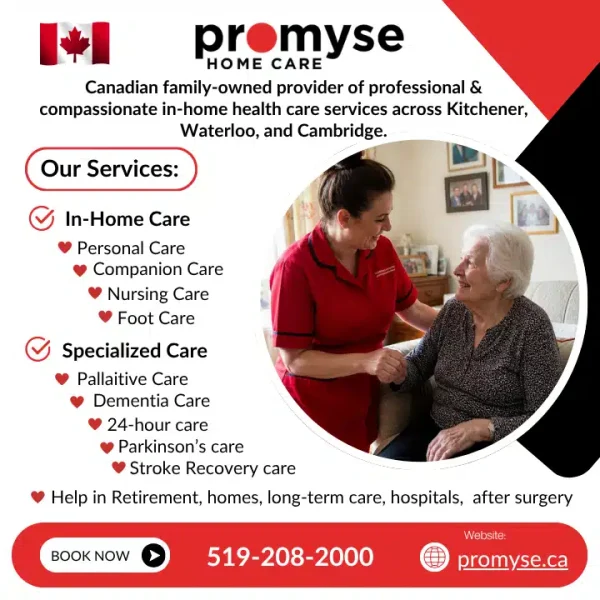
Many families are looking for caregivers with experience supporting specific neurological or age-related conditions. Choosing a provider with specialized training ensures care is adapted to each individual’s changing needs. Examples include:
Dementia and Alzheimer’s Care
Supporting someone living with dementia requires patience, understanding, consistency, and specialized communication techniques. Experienced caregivers help reduce anxiety while maintaining familiar routines that promote comfort and independence.
Parkinson’s Disease Care
Individuals living with Parkinson’s often require assistance with mobility, transfers, medication timing, fall prevention, and daily activities while encouraging as much independence as possible.
Stroke Recovery
Stroke survivors may experience changes in mobility, speech, swallowing, cognition, or daily functioning. Home care professionals work alongside rehabilitation goals while supporting recovery at home.
Other Specialized Services
Many providers also offer care for individuals living with:
- Multiple sclerosis
- ALS
- Heart disease
- COPD
- Cancer
- Diabetes
- Palliative care needs
- Frailty associated with aging
Selecting caregivers familiar with these conditions can improve both safety and quality of life.
Background Checks & Staff Qualifications Matter
Inviting someone into your home requires trust. Families should feel confident asking providers about how they recruit, train, supervise, and support their staff.
At Promyse Home Care, caregivers are carefully selected not only for their professional qualifications and experience but also for their compassion, integrity, communication skills, and commitment to person-centred care.
When evaluating a provider, consider asking about:
- Professional certifications and licensing
- Ongoing education and continuing professional development
- Specialized dementia and chronic disease training
- CPR and First Aid certification
- Insurance coverage
- Client-care matching process
The strongest home care providers invest in their caregivers because well-supported professionals provide better care for clients.
Questions to Ask Before Choosing an In-Home Care Provider
Meeting with several providers can help you compare services and determine which organization best fits your family’s needs. Consider asking questions such as:
Experience and Reputation
- How long has your organization been serving the Kitchener-Waterloo community?
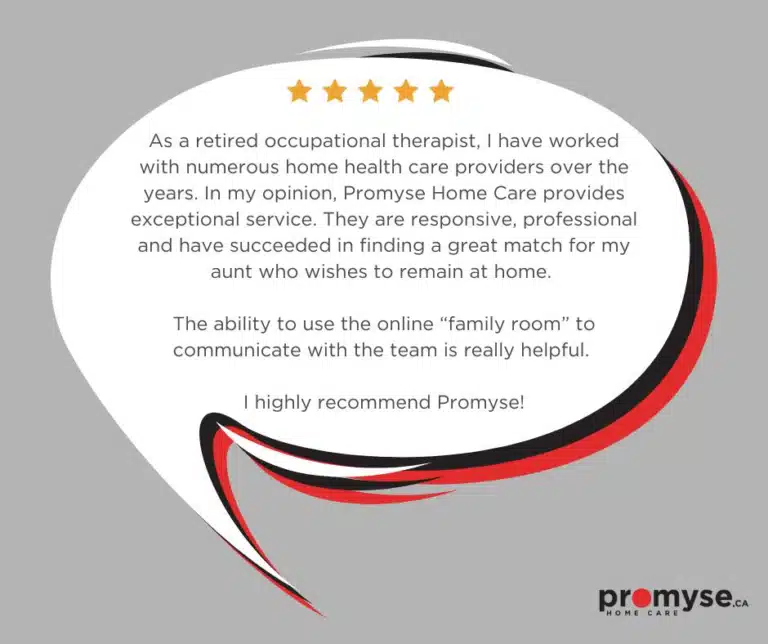
- Can you provide references from physicians, discharge planners, clients, or family members?
- Are online reviews available?
Services
- What services do you provide?
- Can care be customized as needs change?
- Do you offer specialized dementia, Parkinson’s, stroke, or palliative care?
Care Planning
- Will a nurse or healthcare professional assess our needs?
- Do you consult with physicians and family members?
- Is the client involved in developing the care plan?
- Will we receive a written copy of the care plan?
- How often is the care plan reviewed and updated?
Caregiver Selection
- How are caregivers recruited and screened?
- What qualifications and training do caregivers receive?
- Can we request the same caregiver whenever possible?
- How do you match caregivers with clients?
Quality Assurance
- Do supervisors regularly visit clients?
- How is quality of care monitored?
- What happens if we have concerns or need changes made?
- Is there someone available after business hours?
Costs and Availability
- Can you provide a written explanation of fees?
- Are there minimum visit requirements?
- Are services available 24 hours a day, seven days a week?
- What payment options are available?
- Are there funding programs or insurance benefits that may help?
A reputable provider should welcome these questions and answer them openly and transparently.
Why a Person-Centred Approach Makes a Difference
Outstanding home care goes beyond completing tasks. Person-centred care recognizes that every individual has unique experiences, preferences, beliefs, routines, and goals. Rather than fitting people into a standard care model, care is designed around what matters most to each client. This approach helps preserve:
- Independence
- Personal dignity
- Emotional well-being
- Familiar routines
- Family involvement
- Meaningful relationships
- Quality of life
For many older adults, remaining at home surrounded by familiar belongings, neighbours, pets, and memories contributes significantly to both physical and emotional health.
Choosing Care with Confidence
Finding the right home healthcare provider takes time, but asking thoughtful questions and understanding your loved one’s needs will help you make an informed decision.
At Promyse Home Care, we are committed to delivering professional, compassionate, person-centred care that respects each client’s dignity, independence, and quality of life. Whether you require skilled nursing, personal care, companionship, specialized dementia support, Parkinson’s care, stroke recovery assistance, respite services, or 24-hour home care, our experienced team works closely with clients and families to develop individualized care plans that evolve as needs change.