What Families Should Know About Caring for Older Loved Ones
Aging is a natural part of life, but many of the things we believe about getting older simply aren’t true. These misconceptions can influence how we care for our aging parents and other loved ones, sometimes causing unnecessary worry or preventing families from exploring helpful care options.
Today, Canadians are living longer, and many older adults want to remain active, independent and connected to their communities for as long as possible. Yet outdated beliefs about aging can make it difficult to recognize the difference between normal age-related changes and situations where additional support may be beneficial.
At Promyse Home Care, serving Kitchener, Waterloo and Cambridge, we believe that understanding the realities of aging is an important step toward making compassionate, informed decisions about senior care.
Let’s explore ten common myths about aging and what families should know.
Myth #1:
Memory Loss & Dementia Are a Normal Part of Aging
The Truth
Occasional forgetfulness may become more common with age, but dementia is not a normal part of getting older. It’s not unusual for someone to occasionally forget where they placed their keys or have difficulty remembering a name. However, persistent memory problems that interfere with everyday activities may indicate something more serious.
Families should pay attention to changes such as:
- Frequently forgetting important conversations or appointments
- Becoming confused in familiar surroundings
- Difficulty managing everyday tasks or finances
- Changes in judgment, communication or behaviour
- Repeatedly asking the same questions
These symptoms do not automatically mean someone has dementia. Medications, sleep problems, depression and certain medical conditions can also affect memory.
What families should know:
If you notice significant changes in a loved one’s memory or behaviour, encourage an assessment by a healthcare professional. Early evaluation can help identify treatable causes and support appropriate care planning.
For families supporting someone living with Alzheimer’s disease or another form of dementia, specialized in-home care can help maintain familiar routines, provide companionship and support everyday activities.
Myth #2:
Older Adults Are Too Old to Exercise or Improve Their Strength
The Truth
Staying physically active can benefit people at almost every age, including those living with mobility limitations.
One of the most damaging myths about aging is that physical decline is inevitable and there’s little anyone can do about it. Although changes in muscle strength, balance and endurance can occur with age, regular movement can help older adults maintain their abilities and confidence.
Depending on their health and mobility, beneficial activities may include:
- Walking indoors or outdoors
- Gentle stretching
- Chair-based exercises
- Balance and strengthening activities
- Gardening and light household activities
- Participating in community exercise programs designed for seniors. Even small amounts of appropriate physical activity can make a difference.
What families should know:
Encourage movement that matches your loved one’s abilities and interests. A healthcare professional or physiotherapist can recommend suitable exercises, particularly for someone recovering from illness, surgery or a fall. Home caregivers can provide encouragement and assistance with daily routines and appropriate activities within the individual’s care plan.

Myth #3:
Falling Is Just an Unavoidable Part of Getting Older
The Truth
Falls become more common with age, but many falls can be prevented.
A fall can have serious consequences for an older adult, affecting their confidence, mobility and ability to live independently. However, families should not assume that falling is simply something that happens with age.
Factors that may increase fall risk include poor lighting, loose rugs, certain medications, reduced strength, balance difficulties and vision problems. There are practical ways to make the home safer, including improving lighting, removing tripping hazards, installing grab bars where appropriate and keeping frequently used items within easy reach.
What families should know:
If your loved one has experienced a fall or seems increasingly unsteady, speak with their healthcare provider about a fall-risk assessment. In-home caregivers can help with everyday activities, mobility assistance and maintaining a safer home environment.
Myth #4:
Seniors Who Live Alone Are Always Lonely
The Truth
Living alone and feeling lonely are not the same thing. Many older adults enjoy living independently and value having their own space, routines and privacy. Others may experience loneliness even when surrounded by family or living in a busy household.
What matters most is the quality of their social connections and whether they feel supported, included and engaged. Families can encourage meaningful connections through regular visits, phone calls, community activities, hobbies and shared interests.
What families should know:
Rather than assuming that a parent living alone is unhappy, ask how they feel about their daily life. If companionship or social engagement is becoming a concern, regular visits from a home caregiver may provide welcome conversation, reassurance and assistance with activities they enjoy.

Myth #5:
Depression Is a Normal Part of Aging
The Truth
Depression is not an inevitable consequence of growing older. Older adults can experience sadness, grief and emotional challenges, particularly following retirement, the loss of a spouse, declining health or changes in independence. However, persistent depression should never be dismissed as simply part of aging.
Signs may include:
- Loss of interest in favourite activities
- Changes in sleeping or eating habits
- Withdrawal from family and friends
- Persistent sadness or irritability
- Unusual fatigue or lack of motivation
Depression can sometimes be overlooked in older adults because symptoms may be mistaken for physical illness or normal age-related changes.
What families should know:
Emotional well-being deserves the same attention as physical health. If your loved one is experiencing persistent changes in mood, encourage them to speak with their healthcare provider.
Myth #6:
Older Adults Cannot Learn New Skills or Adapt to Technology
The Truth
People can continue learning throughout their lives. The belief that older adults cannot adapt to new technology or learn unfamiliar skills is an outdated stereotype. Many seniors use smartphones, video calls, online banking, digital photographs and other technologies to remain connected and independent.
Others discover new interests later in life, from painting and music to language learning and gardening. Learning may take additional time or require a different approach, but age alone does not determine someone’s ability to develop new skills.
What families should know:
Patience, encouragement and clear instructions can make learning more enjoyable. Instead of taking over a task, give your loved one the opportunity to participate and learn at their own pace. Maintaining confidence and a sense of accomplishment is an important part of healthy aging.

Myth #7:
If Mom or Dad Needs Help at Home, They Can No Longer Live Independently
The Truth
Receiving help does not necessarily mean giving up independence. This is one of the most common concerns families face when discussing home care with an aging parent. Many seniors resist assistance because they worry it means losing control over their daily lives.
In reality, the right level of support may help an older adult continue living safely and comfortably in their own home.
For example, a caregiver might assist with:
- Bathing, dressing and personal hygiene
- Meal preparation
- Light household tasks
- Mobility and transfers
- Companionship and daily routines
- Respite support for family caregivers
What families should know:
The goal is not to take away someone’s independence, but to support their ability to continue doing the things that matter most to them. Start by asking your loved one which daily activities they find difficult and what kind of help they would welcome. A personalized home care plan can focus on supporting independence while respecting individual preferences, routines and dignity.
Myth #8:
Families Should Wait Until a Crisis Happens Before Arranging Home Care
The Truth
Home care does not have to begin after a fall, hospitalization or serious health decline. Many families only consider professional home care when they are suddenly faced with an urgent situation. However, recognizing changing needs earlier can make the transition to additional support less stressful.
Some early signs that a loved one may benefit from help include:
- Difficulty preparing meals or keeping up with household tasks
- Changes in personal hygiene
- Increasing forgetfulness
- Reduced mobility or confidence
- Difficulty managing everyday routines
- Family caregivers feeling overwhelmed
What families should know:
Beginning with a few hours of assistance, where appropriate, may help an older adult become comfortable with receiving support. Planning ahead gives families more time to explore care options, discuss preferences and make decisions together. Home care can be flexible, with services adjusted as a person’s needs change.
Myth #9:
Family Members Should Be Able to Provide All the Care Their Aging Parents Need
The Truth
Family caregivers play an invaluable role, but they should not be expected to manage every responsibility alone. Caring for an aging parent can be deeply meaningful. It can also become physically and emotionally demanding, especially when balancing employment, children, household responsibilities and personal well-being.
Some families feel guilty about seeking outside assistance, believing they should be able to do everything themselves. But asking for help is not a sign of failure or a lack of commitment. Professional home care can complement the love and support provided by family members.
What families should know:
Respite care can give family caregivers time to rest, attend appointments, manage responsibilities or simply recharge. Sharing caregiving responsibilities may help families maintain healthier relationships and spend more meaningful time together. Sometimes, being a d
Myth #10:
Moving Into a Retirement or Long-Term Care Home Is the Only Option When Seniors Need More Support
The Truth
Many older adults can continue living at home with appropriate care, depending on their health, safety and support needs. For many Canadians, home represents comfort, familiarity and independence. Being surrounded by personal belongings, neighbours, pets and established routines can be particularly meaningful as people age.
Today, in-home care services can provide different levels of assistance, ranging from companionship and personal care to nursing support and specialized assistance for people living with complex health conditions.
However, home care is not the right solution for every situation. Some individuals may require a level of supervision, medical care or support that is better provided in a residential setting.
What families should know:
Explore the available options before assuming that a move is necessary. A professional assessment can help determine what services and safety measures may support your loved one’s needs at home.
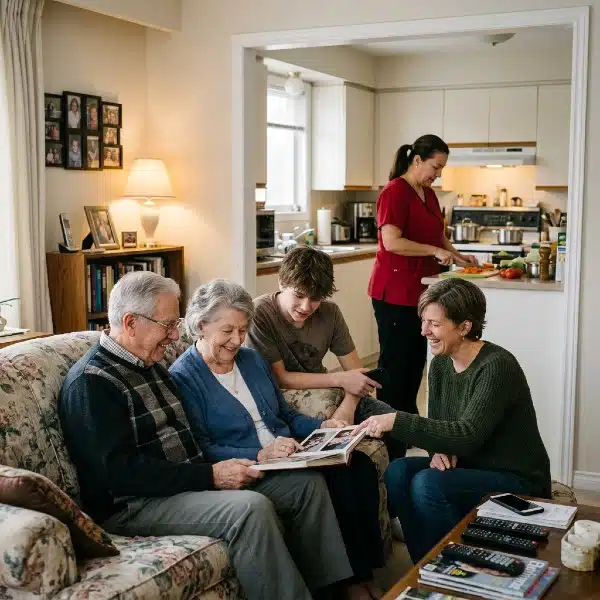
How Can Families Encourage Healthy Aging at Home?
Healthy aging is about much more than physical health. It includes emotional well-being, social connections, personal choices and the opportunity to continue enjoying life. Families can help by encouraging regular activity, supporting meaningful relationships, watching for changes in health and keeping communication open.
Perhaps most importantly, involve your loved one in decisions about their care. Ask what matters to them. Listen to their concerns. Respect their preferences whenever possible. A person-centred approach to care recognizes that every older adult has unique needs, experiences and goals.
Supporting Healthy Aging
with Promyse Home Care
in Kitchener, Waterloo and Cambridge
At Promyse Home Care, we understand that growing older does not mean giving up the activities, relationships and routines that make life meaningful.
Our person-centred approach to in-home care focuses on the individual, helping older adults receive support that respects their dignity, preferences and independence.
Whether your loved one needs assistance with everyday activities, companionship, personal care, nursing services or specialized support for conditions such as Alzheimer’s disease, dementia or Parkinson’s disease, our team works with families to develop care that reflects their individual needs.
We also recognize the important role of family caregivers and the value of providing reassurance, communication and support throughout the caregiving journey.
Aging may bring changes, but it can also bring opportunities for connection, fulfillment and continued independence.
If you’re beginning to notice that an aging parent or loved one could benefit from additional assistance, Promyse Home Care is here to help you explore your options.
Looking for more guidance? Visit the Senior Care Resource Centre for Waterloo Region for trusted information on dementia, home care, caregiving, safety, and healthy aging.