
Ashley Fox Shares What Inspires Her Career in Geriatric Nursing and Home Care
Behind every compassionate home care experience is someone whose passion extends far beyond their profession. For Ashley Fox, Registered Practical Nurse (RPN), Advanced Foot Care Nurse (AFCN), Gerontological Professional Nurse Certified (GPNC(C)), and Community Outreach Coordinator at Promyse Home Care, caring for older adults isn’t simply a career – it’s a calling rooted in compassion, respect, and a genuine desire to make a meaningful difference in people’s lives. Every interaction is an opportunity to preserve dignity, foster independence, and help seniors continue living safely and comfortably in the homes they cherish.

In this interview, Ashley shares what first inspired her to pursue geriatric nursing, the experiences that continue to motivate her, and why building authentic relationships with seniors and their families has become one of the most rewarding aspects of her work.
She also offers insight into how compassionate home care can transform lives – not only for the individuals receiving support but also for the families who gain peace of mind knowing their loved ones are cared for with kindness, expertise, and respect.
Whether you’re exploring home care for a family member or simply interested in the people behind Promyse Home Care, Ashley’s story is a heartfelt reminder that even small acts of compassion can create a lasting impact.
Q: Tell us a little about yourself and your role at Promyse Home Care.
My name is Ashley Fox, and I’m a Registered Practical Nurse with a specialized certification in gerontology through the Canadian Nurses Association, as well as Advanced Nursing Footcare Certification through Ruth Ruttan & Associates.
At Promyse Home Care, I have the privilege of serving in two roles: Nurse Case Manager and Community Outreach Coordinator.
As a Nurse Case Manager, I work closely with clients, families, caregivers, and other healthcare professionals to develop personalized care plans that help people remain safe, healthy, and independent at home. Every client has unique goals, and I enjoy helping families navigate the healthcare system while ensuring care is tailored to their individual needs.
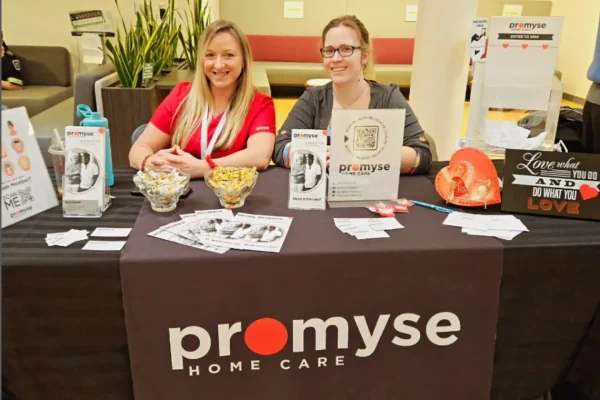
In my role as Community Outreach Coordinator, I focus on building relationships throughout the community, providing health education, and connecting seniors and families with resources that support healthy aging. Whether I’m speaking at a retirement community, partnering with local organizations, or meeting with families for the first time, my goal is always the same: to help people feel informed, supported, and confident in the care they receive.
I love that my role allows me to combine hands-on nursing with community engagement, because great senior care starts long before someone needs intensive support. It’s about building relationships, sharing knowledge, and helping people age with dignity and independence.
Q: What drew you to working with older adults and seniors?
My passion for working with older adults started while I was in nursing school at Georgian College in Owen Sound. I worked as a Personal Support Worker with the Red Cross in Grey, Bruce, and Huron, and it was during that time I saw the impact that compassionate care can have on someone’s ability to remain independent.
After becoming a nurse, I spent five years in the retirement living sector, first as a UCP and later as a Charge Nurse. Those experiences reinforced that senior care was where I wanted to build my career. When I returned to home care, I knew I wanted to continue growing my expertise, so I earned my gerontology certification through the Canadian Nurses Association.
Since then, I’ve completed additional education in wound care, Comprehensive Advanced Palliative Care Education (CAPCE), LEAP Home Care, advanced nursing foot care, and dementia care. I believe lifelong learning is essential because it allows me to provide the best possible care and support to older adults and their families.
Q: Why do you believe home care is such an important part of our healthcare system?
I’ve seen firsthand that the right support at the right time can completely change someone’s
journey. Home care isn’t just about helping with daily tasks. It’s about helping people live safely, with dignity, while giving families peace of mind. That’s why I believe it’s such an important part of our healthcare system.

Q: How is home care different from working in a hospital or long-term care setting?
One of the biggest differences is that in home care, you’re caring for someone in their own
environment. You get to know the person beyond their medical history by meeting their family, seeing their pets, learning their daily routines, and understanding what motivates them.
You see what they’re able to do independently, where they may need extra support, and what matters most to them. That allows care to be truly personalized while helping people maintain their independence wherever they call home.
Q: What do families often misunderstand about home care?
One of the biggest misconceptions is that home care is only for people at the end of life or those who can no longer live independently. In reality, bringing in support earlier can help people stay independent longer, prevent caregiver burnout, and improve overall quality of life. Home care isn’t about taking over; it’s about providing the right support at the right time.
For example, someone may be able to shower independently but benefit from having a caregiver nearby to supervise because they’re at risk of falling. It’s about promoting independence while helping people stay safe.
Q: How do you help families navigate difficult decisions about care?
One of the biggest pieces of advice I give families is to start having conversations early, not just with a healthcare provider, but with each other. Talk about wishes and goals for care, who should be involved in decision-making, emergency contacts, and advance care planning before a crisis happens.
My role is to provide education, answer questions, and help families understand their options so they can make informed decisions together. Having those conversations early gives everyone more choice, clarity, and peace of mind.
Q: What advice would you give someone who thinks their parents may need home care?
Don’t wait for a crisis. Start the conversation early and involve your parents in the decision-making process whenever possible. In my experience, a high percentage of seniors don’t believe they need home care, and no one is excited to have that conversation. That’s completely normal.
I encourage families to focus on creating a consistent routine with caregivers and giving everyone time to build trust and learn preferences. I often suggest trying home care for a month or two rather than a single visit.
One visit rarely tells the whole story. If, after giving it a fair chance, it doesn’t meet your family’s needs, then it simply may not be the right time. But more often than not, once a routine is established, both seniors and their families begin to see the value that home care can provide.
Q: What signs tell you it might be time to seek additional support?
Often it’s the small changes that tell the story. You might notice missed medications, increased falls or near falls, weight loss, wearing the same clothes day after day, or difficulty keeping up with housekeeping.
Sometimes it’s opening the fridge and realizing the same groceries are still there untouched, or seeing Meals on Wheels deliveries piling up because they’re not being eaten.
Other times, it’s the family caregiver who is showing signs of burnout or the increased phone calls to children out of town to arrange things. I always encourage families not to wait until there’s a crisis.
Home care doesn’t have to start with daily visits. Sometimes a few hours a week is enough to provide support, identify concerns early, and help someone remain safe and independent for longer.
Q: How does Promyse Home Care work with families to create individualized care plans?
No two care plans are the same because no two people are the same. We take the time to get to know each client, their routines, preferences, goals, health needs, and what matters most to them, both in the moment and in the bigger picture.
We also work closely with their family and other healthcare providers to ensure everyone is part of the conversation. As needs change, the care plan evolves too, because great home care should always adapt to the person, not expect the person to adapt to the care.
Q: How do you measure success at the end of a day?
I measure success by the little wins. Maybe a client smiled today when they hadn’t in days, ate a good meal, felt safe enough to take a shower, or walked a little farther than they did yesterday. Sometimes success is giving a spouse the confidence to go out for coffee with friends or run errands knowing their loved one is safe, or simply giving a family peace of mind during a difficult time.
In senior care, it’s often the small moments that make the biggest difference, and those are the moments that remind me why I love what I do.

Q: If you could leave readers with one message about caring for older adults, what would it be?
Start the conversation before you think you need to. None of us know what tomorrow will bring, but talking openly about wishes, goals, and support can make difficult decisions much easier when the time comes. Remember that asking for help isn’t giving up independence, it’s often what allows someone to keep it.
Caring for older adults isn’t about doing everything for them; it’s about helping them continue living life on their own terms for as long as possible.
Improve Your Loved Ones Quality of Life
The Promyse Home Care team of experienced nurses & caregivers offers a wide range of home and healthcare services to those looking for the highest quality of professional & caring support.
Whether it is care for seniors, disabled, chronically or terminally ill people, we have the knowledge, understanding & compassion to help you in the comfort of your own home.
As a Promyse Home Care Nurse Case Manager, Ashley would love to speak with you about how to improve the quality of life for your family members.
Contact us today to learn more about our services for your loved ones in Kitchener-Waterloo-Cambridge.