
At-Home Care for Loved Ones with Alzheimer’s

Caring for a loved one with Alzheimer’s or Dementia at home can feel overwhelming at times. These conditions gradually affect memory, thinking, and behavior. As they progress, your loved one may need more specialized care.

In John Zeisel’s book, I’m Still Here: A New Philosophy of Alzheimer’s Care, he writes, “I remember the first time I truly understood my mother’s struggle with Alzheimer’s. One chilly morning, I found her placing a kettle on a cold burner, her eyes puzzled as if trying to recall an action lost in time. It was a stark realization that her condition was more advanced than I had thought.”
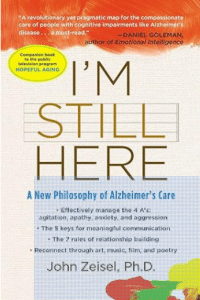
I'm Still Here

At-Home Care for Loved Ones

Staying at home with Alzheimer’s can help loved ones stay healthier, happier, and even live longer. Many families prefer this type of care because it offers personal attention and keeps routines in a familiar setting. This helps loved ones feel more independent and comfortable, which supports their mental and emotional well-being. Promyse In-Home Care Services is here to support you and your family.

When looking after a loved one that you are close to, who suffers from Alzheimer’s or Dementia, it can bring you even closer. You have the opportunity to resolve any differences and create new memories together. Focusing on what they can still do is vital; sharing moments can mean folding towels side by side or singing a familiar song that sparks joy. These shared tasks not only reinforce a sense of competence but also build meaningful interactions.

Caregiving Benefits and Challenges

Caregiving can teach younger family members the importance of caring, compassion, and acceptance. Despite the stress, demands, and heartache it can bring, it can bring out the best in us and serve as a role model for our children.

It isn’t always easy for family members and friends to be caregivers. Although they want to be there, it can lead to burnout if there is no strong support system in place. Recognizing the early signs of burnout is important in maintaining both your health and the care you provide. 

Common red flags include: 

  • sleep loss, 
  • irritability, and 
  • feeling overwhelmed. 

Acknowledging these feelings can validate your experience and prompt you to seek support when needed.

Local organizations offer vital support for Alzheimer’s patients and their families. The Alzheimer Society provides resources, support groups, and educational programs. Additionally, local community centers often host support groups tailored to caregivers. These organizations can assist with finding practitioners in the area and provide other helpful information.


Local Group of Seniors discussing Alzheimer’s Care

Safety in the Home

To make helpful changes in the home, you can consider installing grab bars in the bathroom or in areas where your loved one travels. Be sure that any carpet is tacked down, or, if you fear your loved one may fall, remove it from the home. Improving lighting throughout the house can also reduce fall risks; ensure all areas are well-lit, particularly stairways and hallways. 

Additionally, door alarms can be beneficial for monitoring exits, providing an extra layer of safety. Falls can be very debilitating, and we want to keep our loved ones home and out of nursing homes for as long as possible.

Caring for the Caregiver

Caregiving for a loved one with Alzheimer’s can feel like full-time work, so it is important to find ways to take breaks. Speak with other family members to see if they can help at times, so that as the main provider, you can go for a walk or get some rest.

If you still need more help, consider in-home care services to lighten your load. It’s okay to admit that you’re not able to do everything alone, and it’s normal to feel guilty or worried about it. Acknowledging these emotions can significantly ease your mental burden. 

Remember, asking for help lets you focus on what matters most, strengthening the bond with your loved one. Seeking support can also help you feel understood and less isolated, reminding you that you are not alone in this journey.

When you hire someone to handle daily tasks like shopping or housework, you can spend more quality time with your loved one and create special memories together.

What kind of in-home help is available to home caregivers?

Caregiving help comes with many options.

  • Skilled nurses can help with medical needs such as giving injections and other medications, caring for wounds or monitoring blood sugar.
  • Personal Support workers can help with activities of daily living, such as assistance with bathing, toileting, and personal hygiene.
  • Home care companions or helpers can provide support, including preparing meals, light housekeeping, and dog walking. They can also engage patients in activities such as games, crafts, and reading.
In-Home Care for Alzheimer's
Promyse Home Care Alzheimer's and Dementia Care for our Senior Loved Ones

Ease Any Worries

Promyse Home Care Nurse Case Managers will meet with you and your loved ones to assess your needs and offer support. The assessment will cover various aspects, including safety evaluations, daily living needs, and your loved one’s personal and medical requirements, ensuring that a comprehensive care plan is developed.

These services are provided at no extra cost.

We are here for you as time goes on and your needs change. We’ll work with you and your loved ones to create both short-term and long-term care plans for in-home support.

Sign up for a free

In-Home Consultation

I am looking for:
What is the best time to call?

stay connected to your loved one's health

book a free health-care consultation

I am looking for:
What is the best time to call?

BOOK YOUR FREE CONSULTATION

hire your personalized nursing team today