
As we age, participating in social activities and family holidays can become more demanding and stressful. When loved ones with dementia are added into the mix, it can become even more challenging. Ideally, we want to be able to include our loved ones in family gatherings for as long as possible. Those with dementia often still enjoy being social, and the joy of attending the event will persist even after the visit is forgotten.
Dementia can affect behaviour and personality, but there are ways we can continue to accommodate these changes and enjoy the holidays together. Try to keep the event short and simple, and communicate with family friends in advance about the person’s condition and how dementia can affect memory and behavior so they are more aware of what to expect.
At the gathering, keep things simple with few distractions like busy designs and items on the tablescape or loud music playing in the background. During the gathering, try to include them in simple activities, keep conversations brief, and be prepared to move to a quiet space if they become overwhelmed. Be a good listener and convey warmth through a smile, a gentle touch, or holding their hand.
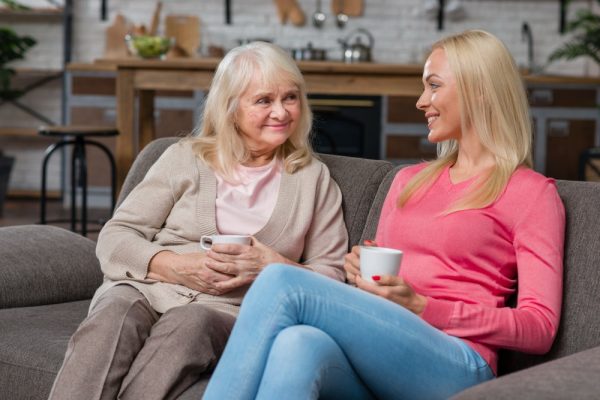
Have a Discussion With Other Family Members
As a caregiver, you can help your family members understand how to interact with your loved one with dementia. Many family members worry about the situation but may be unaware of how to talk to someone with dementia.
Here are some things you can let your family know in advance:
- Do not be upset if the individual with dementia does not know who you are. Introduce yourself by your name and your relationship with them.
- Refrain from arguing or correcting them. If your loved one thinks you’re their sister, just go with it.
- Your loved ones may repeat themselves, and that’s okay. Avoid saying, “I just told you that,” or “don’t you remember?”. That can confuse them and make them upset.
- If you become uncomfortable talking to them, it’s okay to excuse yourself politely.
You can stay close to your loved one and help facilitate conversations with family members. Your loved one may become confused or agitated with people coming and going; remaining by their side will allow them to have a constant, reassuring presence.
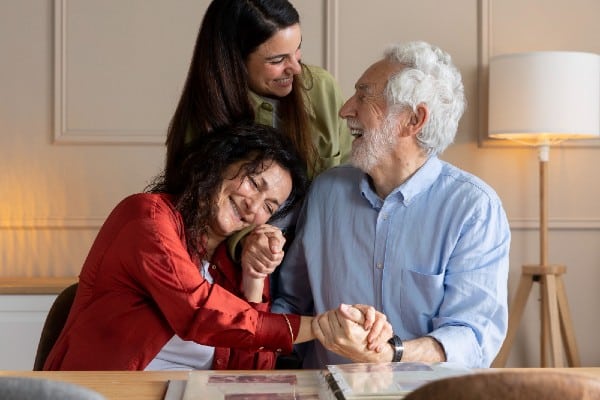
Scheduling is Important
Scheduling the gathering at a time of day that is best for your loved one is highly recommended. Many people with dementia experience sundowning, which makes it difficult to relax or interrelate as the sun goes down. Gatherings in the morning and early afternoon tend to work better.
Keeping the gathering small is also suggested. Small groups make it easier on your loved one, as noisy situations and competing conversations can be confusing or frustrating. If it is not possible to keep the gathering small, arrange an area that will be safe and comfortable for your loved one to hang out. Most people with dementia can’t tolerate stimulation for long periods, so plan to stay for only an hour or two.
Respond Immediately to Signs of Anxiety or Agitation
Even with your best efforts, your loved one may end up experiencing anxiety. It could be because of the new environment or because of certain people or conversations. We can’t control these things, but we are able to respond quickly.
- Take your loved one to a quiet room and reassure them that everything is okay.
- If they were upset by something or someone they think was at the get-together (but in reality was not), assure them that that person left and won’t return
- Remember, you cannot argue or change the perceptions of those with dementia, but you can comfort or reassure them.
- If you must leave the party, then do so. If the event is at your home, let your guests know you’ll be with your loved ones in a quiet space and stay with them until the event is over
As the disease progresses, you may want to consider having a personal caregiver join you. Including a loved one in family gatherings for as long as possible is beneficial to their overall health.
A professional personal care provider can help with taking care of personal needs, helping the person eat, and can be wonderful at keeping conversations in a place of comfort for your loved one. Their calming presence can allow you to mingle without guilt, and if there are any challenges with anxiety or agitation, the care provider can let you know.
It is important to try to include our loved ones, even if it doesn’t work out every time. Those with dementia deserve to have enjoyable experiences, and the feelings of warmth and love will remain even once the event is past.